
The Impact of Mercury on Artisanal Mining Communities


Artisanal mining communities often rely on traditional methods for extracting precious metals. While these practices can provide essential livelihoods, they also pose significant health and environmental risks, particularly due to the use of mercury. Understanding the impact of mercury in these settings is crucial for both communities and policymakers.
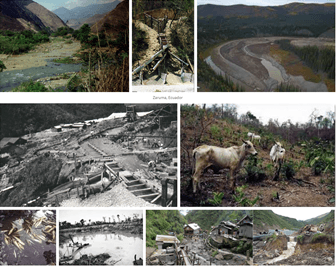
The Role of Mercury in Artisanal Mining
Mercury is commonly used in artisanal gold mining to separate gold from ore. This process, known as amalgamation, involves mixing mercury with crushed ore to form a gold-mercury amalgam. The amalgam is then heated, vaporizing the mercury and leaving behind pure gold.
While effective, this method exposes miners and their communities to mercury vapor, a potent neurotoxin. The health implications are severe, affecting the nervous, digestive, and immune systems, as well as causing developmental issues in children.
Environmental Consequences
The environmental impact of mercury in artisanal mining is profound. Mercury released into the air eventually settles into water bodies, where it can transform into methylmercury, a highly toxic compound. This contaminates fish and other aquatic life, impacting entire ecosystems and food chains.

Communities relying on these water sources for drinking, farming, and fishing are particularly at risk. Long-term exposure to mercury-contaminated water and food can lead to chronic health problems, further exacerbating poverty and health issues in these regions.
Economic and Social Impacts
Despite its dangers, mercury remains prevalent in artisanal mining due to its low cost and ease of use. However, the economic benefits are often short-lived. Health problems caused by mercury exposure can lead to reduced productivity and increased medical expenses, undermining the financial stability of these communities.
Socially, the presence of mercury in mining communities can lead to increased tension. As awareness of its dangers grows, conflicts may arise between those who rely on mercury for their livelihood and those advocating for safer practices.

Efforts to Mitigate Mercury Use
International efforts, such as the Minamata Convention on Mercury, aim to reduce mercury use and emissions worldwide. For artisanal mining communities, this involves introducing safer alternatives and educating miners about the health risks associated with mercury.
Organizations are working to implement mercury-free technologies and provide training on sustainable mining practices. These initiatives not only improve health outcomes but also promote environmental conservation and economic resilience.
The Path Forward
Addressing the impact of mercury on artisanal mining communities requires a multi-faceted approach. Governments, NGOs, and local leaders must collaborate to create policies that balance economic needs with health and environmental considerations.
Empowering communities through education and access to resources is essential for fostering sustainable change. By reducing reliance on mercury, artisanal mining communities can work towards a healthier and more sustainable future.